Integrating Music in the Classroom Effectively: Music Integration Techniques for Engaging Learning
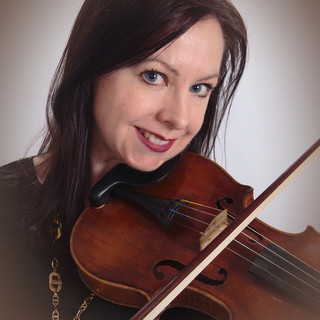
Music has a magical way of connecting with us all. When thoughtfully woven into classroom activities, it can transform learning into an exciting, memorable experience. Over the years, I have seen how music integration techniques can boost creativity, improve focus, and make lessons more enjoyable for children. Whether you are a teacher, parent, or homeschooler, adding music to your educational routine can open new doors for young learners.
Let’s explore practical ways to bring music into your classroom and create an environment where learning and fun go hand in hand.
Why Use Music Integration Techniques in Education?
Music is more than just entertainment. It’s a powerful tool that supports brain development and emotional growth. When children listen to or create music, they engage multiple areas of the brain simultaneously. This multisensory involvement helps with memory retention, language skills, and even math abilities.
Here are some key benefits of using music integration techniques in your teaching:
Enhances concentration: Background music or rhythmic patterns can help students focus better.
Improves language skills: Songs with lyrics introduce new vocabulary and sentence structures.
Boosts creativity: Music encourages imagination and self-expression.
Supports emotional well-being: It can calm anxious students or energize a sleepy class.
Encourages collaboration: Group music activities foster teamwork and social skills.
By incorporating music, you create a dynamic learning space that appeals to different learning styles. This inclusivity helps every child feel engaged and valued.

Practical Music Integration Techniques for the Classroom
Now that we understand why music is so beneficial, let’s dive into some effective music integration techniques you can try right away. These methods are easy to implement and adaptable for various age groups and subjects.
1. Use Songs to Teach Concepts
Songs are fantastic for teaching facts, vocabulary, or processes. For example, a catchy tune about the water cycle or multiplication tables can make these topics stick in students’ minds. You can find many educational songs online or create your own with simple melodies.
Tips:
Choose songs with clear, repetitive lyrics.
Encourage students to sing along or create hand motions.
Use songs as warm-ups or transitions between activities.
2. Incorporate Movement and Rhythm
Movement combined with music helps kinesthetic learners grasp concepts better. Clapping, tapping, or dancing to rhythms can reinforce counting, syllables, or patterns.
Try this:
Have students clap the syllables of new vocabulary words.
Use percussion instruments to mark beats in poetry or stories.
Create simple dance routines related to lesson themes.
3. Background Music for Focus and Mood
Playing soft instrumental music during independent work or reading time can improve concentration and create a calm atmosphere. Choose music without lyrics to avoid distractions.
Suggestions:
Classical pieces or nature sounds work well.
Adjust volume to keep it subtle.
Observe how different types of music affect your students’ focus.
4. Music as a Creative Outlet
Encourage students to compose their own songs or soundtracks related to what they are learning. This activity nurtures creativity and deepens understanding.
Ideas:
Write a song about a historical event.
Create sound effects for a science experiment.
Use music to tell a story or describe a character.
5. Integrate Technology and Apps
There are many apps and online tools designed to combine music with education. These can be especially helpful for homeschoolers or tech-savvy classrooms.
Examples:
Interactive music games that teach rhythm and pitch.
Digital instruments for composing and recording.
Platforms that allow students to collaborate on music projects remotely.
By mixing traditional and modern approaches, you can keep lessons fresh and exciting.

How to Integrate Music in the Classroom Effectively
If you’re wondering how to integrate music in the classroom effectively, the key is to start small and be intentional. Here are some steps to guide you:
Identify your goals: What do you want music to achieve in your lessons? Is it to improve memory, encourage participation, or create a positive environment?
Choose appropriate music: Match the music style and content to your students’ age and interests.
Plan music activities: Integrate music naturally into your lesson plans rather than forcing it.
Be flexible: Observe how students respond and adjust your approach accordingly.
Encourage student input: Let children suggest songs or create their own music to increase engagement.
Remember, the goal is to enhance learning, not distract from it. With patience and creativity, music can become a beloved part of your classroom routine.
Tips for Parents and Homeschoolers to Use Music at Home
Music integration is not limited to formal classrooms. Parents and homeschoolers can also benefit from these techniques to make learning more enjoyable.
Create a music corner: Set up a small area with simple instruments and music books.
Sing during daily routines: Turn chores or transitions into musical moments.
Use music for language learning: Sing songs in different languages to build vocabulary.
Incorporate music into reading time: Play soft music while reading stories aloud.
Explore cultural music: Introduce children to music from around the world to broaden their horizons.
These small changes can make a big difference in your child’s educational journey.
Making Music a Natural Part of Learning
Integrating music in the classroom effectively is about creating joyful, meaningful experiences. When music becomes a natural part of learning, children develop a lifelong love for both education and the arts. It’s not just about playing songs or instruments; it’s about connecting with students in a way that speaks to their hearts and minds.
By embracing music integration techniques, you open up a world of possibilities for young learners. They become more confident, curious, and motivated. And as someone passionate about education, seeing that transformation is truly rewarding.
So, why not start today? Pick a favorite song, grab a simple instrument, or hum a tune while reading. You’ll be amazed at how music can brighten your classroom and inspire your students.
Thank you for joining me on this musical journey. Here’s to many happy, harmonious learning moments ahead!


Comments