Beginner-Friendly Music Lessons for New Learners
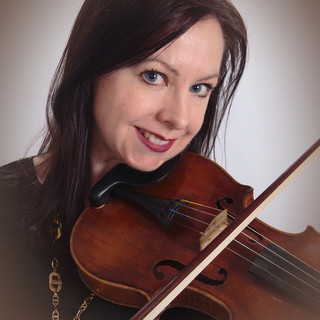
Learning music can be a joyful and rewarding experience, especially for young children and middle schoolers. Starting with beginner-friendly music lessons helps build a strong foundation, making the journey enjoyable and less intimidating. This guide offers practical tips and easy-to-follow steps to introduce music in a fun and educational way.
Why Choose Beginner Music Lessons?
Starting with beginner music lessons is essential for new learners. These lessons are designed to be simple, engaging, and tailored to the pace of young students. They focus on basic concepts, helping learners develop confidence and interest in music.
Simple language and clear instructions make it easier for children to understand.
Interactive activities keep learners motivated.
Step-by-step progression ensures no one feels overwhelmed.
Lessons often include fun songs and games to make learning enjoyable.
Parents and teachers can use these lessons to create a positive learning environment that encourages creativity and expression.

How to Start Beginner Music Lessons
Starting music lessons for beginners involves a few key steps to ensure success and enjoyment:
Choose the right instrument - Consider what sounds your child enjoys. Popular beginner instruments include piano, guitar, and recorder.
Set realistic goals - Begin with short practice sessions, around 10-15 minutes daily, to build habit and focus.
Use beginner-friendly resources - Books, apps, and videos designed for young learners make lessons accessible.
Incorporate fun activities - Singing, clapping rhythms, and simple music games help reinforce concepts.
Encourage regular practice - Consistency is key to progress.
By following these steps, learners can develop a love for music while gaining essential skills.
What are the 12 Basic Music Notes?
Understanding the 12 basic music notes is a fundamental part of beginner music lessons. These notes form the foundation of Western music and are essential for reading and playing music.
The 12 notes include:
Natural notes: A, B, C, D, E, F, G
Sharps (#) and flats (b): A#/Bb, C#/Db, D#/Eb, F#/Gb, G#/Ab
These notes repeat in octaves across different instruments. Learning to identify and play these notes helps students read sheet music and understand melodies.
Tips for Teaching the 12 Notes
Use color-coded stickers on instruments to help beginners recognize notes.
Practice singing the notes to develop ear training.
Introduce simple songs that use these notes to make learning practical.
Understanding these notes opens the door to exploring more complex music concepts.

Practical Tips for Teaching Music to Young Learners
Teaching music to children requires patience and creativity. Here are some practical tips to make lessons effective and enjoyable:
Keep lessons short and varied to maintain attention.
Use visual aids like charts and flashcards.
Incorporate movement and rhythm games to engage the whole body.
Celebrate small achievements to boost confidence.
Encourage listening to different music styles to broaden musical taste.
Using these strategies helps children stay interested and motivated throughout their learning journey.
Resources for Beginner Music Lessons
There are many excellent resources available to support beginner music lessons:
Books: Look for beginner music books with colorful illustrations and simple exercises.
Apps: Interactive apps can provide instant feedback and fun challenges.
Online videos: Many free tutorials are designed specifically for young learners.
Local classes: Group lessons or private tutors can offer personalized guidance.
Combining these resources creates a rich learning environment that caters to different learning styles.
For those interested in structured guidance, music lessons for beginners offer a great starting point with professional support.
Encouraging a Lifelong Love of Music
The ultimate goal of beginner music lessons is to inspire a lifelong passion for music. Here are ways to nurture this love:
Attend live music events or watch performances online.
Encourage playing with friends or family to make music social.
Explore different genres and instruments to keep curiosity alive.
Create a dedicated practice space that is inviting and distraction-free.
By fostering a positive and supportive atmosphere, children are more likely to continue enjoying music as they grow.
Starting with beginner-friendly music lessons sets the stage for a fulfilling musical journey. With the right approach, resources, and encouragement, new learners can develop skills and confidence that last a lifetime.


Comments