Integrating Music in Teaching Strategies: A Guide to Engaging Classrooms
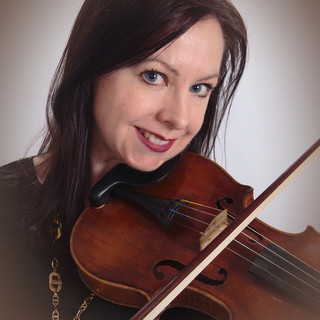
Music has a magical way of connecting with us all. When used thoughtfully in education, it can transform a classroom into a lively, inspiring space where learning feels natural and fun. Over the years, I have seen how music can unlock creativity, improve focus, and even boost memory in young learners. Whether you are a parent, teacher, or homeschooler, weaving music into your teaching strategies can make a big difference in how children absorb and enjoy new information.
In this post, I’ll share practical tips and insights on integrating music in the classroom effectively. You’ll find ideas that are easy to implement and adaptable to different subjects and age groups. Let’s explore how music can become a powerful tool in your educational toolkit.
Why Music in Teaching Strategies Matters
Music is more than just background noise. It engages multiple areas of the brain simultaneously, which helps with cognitive development and emotional regulation. When children listen to or create music, they practice skills like pattern recognition, language development, and even math concepts such as rhythm and counting.
Incorporating music into teaching strategies can:
Enhance memory retention by associating facts with melodies or rhythms.
Improve concentration by creating a calm and focused atmosphere.
Encourage creativity through songwriting or musical storytelling.
Support social skills by promoting group activities like singing or playing instruments together.
For example, when teaching the alphabet, a simple song can help children remember letters more easily than rote memorization. Or, in a history lesson, playing period-specific music can immerse students in the era being studied, making the experience more vivid and memorable.

Practical Ways to Use Music in Teaching Strategies
Now that we understand the benefits, let’s dive into some actionable ways to bring music into your lessons:
1. Start the Day with a Song
Begin each day with a cheerful tune that sets a positive tone. This can be a welcome song or a simple melody that signals the start of learning time. It helps children transition smoothly from home to school mode.
2. Use Music to Teach Concepts
Turn lessons into songs or rhymes. For example, create a math song to help with multiplication tables or a science chant about the water cycle. This method makes abstract concepts more concrete and easier to recall.
3. Incorporate Movement and Dance
Pair music with movement activities. Dancing or clapping along to rhythms can reinforce learning and keep energy levels balanced. It’s especially helpful for kinesthetic learners who grasp ideas better through physical activity.
4. Background Music for Focus
Play soft instrumental music during independent work or reading time. This can reduce distractions and create a calm environment conducive to concentration.
5. Encourage Student-Created Music
Invite students to write their own songs or raps about the topics they are studying. This not only deepens understanding but also builds confidence and communication skills.
6. Use Technology and Apps
There are many educational apps and websites that combine music with learning games. These tools can be a fun supplement to traditional teaching methods.
If you want to explore more detailed methods, check out this helpful guide on how to integrate music in the classroom.
Can Music Help Lower Cortisol?
Stress can be a major barrier to effective learning. Fortunately, music has been shown to reduce cortisol levels, the hormone associated with stress. When children feel relaxed, they are more open to absorbing new information and participating actively.
Listening to calming music before tests or during challenging tasks can help ease anxiety. Even a few minutes of gentle melodies can create a sense of safety and well-being. This is especially important for young learners who may feel overwhelmed by school pressures.
Incorporating music breaks throughout the day can also refresh students’ minds and improve overall mood. These moments of relaxation contribute to a healthier, more productive classroom environment.

Tailoring Music to Different Age Groups
Different ages respond to music in unique ways, so it’s important to adapt your approach accordingly.
Young children (ages 3-7): Use simple songs with repetitive lyrics and clear rhythms. Nursery rhymes and action songs work well. Incorporate instruments like tambourines or shakers to engage their senses.
Elementary students (ages 8-11): Introduce more complex songs and encourage participation in creating music. Use music to support subjects like language arts and social studies.
Middle schoolers (ages 12-14): Allow students to explore their musical tastes and create projects that combine music with research or presentations. Discuss the cultural and historical context of different music styles.
By matching music activities to developmental stages, you ensure that every child benefits and stays motivated.
Making Music a Natural Part of Your Teaching Routine
The key to success is consistency and creativity. Music doesn’t have to be a separate subject or a big production. Small, regular doses of music can make a lasting impact.
Here are some tips to keep music integration smooth and enjoyable:
Plan music activities ahead but stay flexible to follow the flow of the day.
Use music as a transition tool between subjects or activities.
Encourage students to share their favorite songs and explain why they like them.
Collaborate with music teachers or local musicians for special projects or performances.
Keep a playlist ready with a variety of songs suited for different moods and purposes.
Remember, the goal is to create a joyful learning atmosphere where music supports and enhances education naturally.
Integrating music in teaching strategies opens up a world of possibilities for making learning engaging and memorable. By embracing music as a versatile educational tool, you can inspire curiosity, boost confidence, and foster a love of learning that lasts a lifetime. Whether you’re reading a story, solving math problems, or exploring history, music can be the thread that ties it all together beautifully.


Why couldn't I have seen this years ago when I was teaching? Excellent post, Sherry!